Start with the Tucson building, not the machine
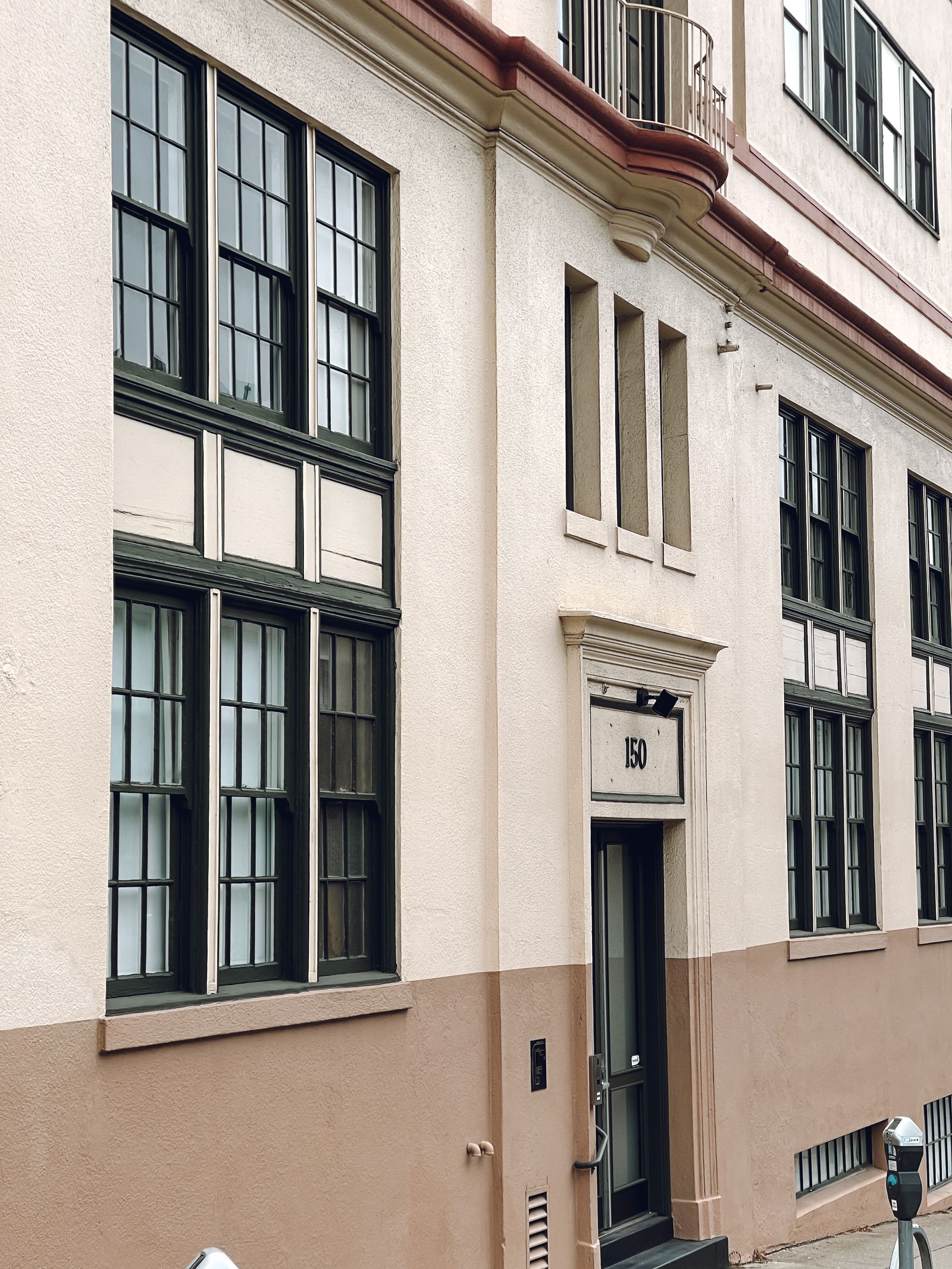
A commercial facade is normally a collection of systems rather than one surface. Tucson properties may combine stucco, painted block, brick, precast, concrete, stone, metal panels, glass, canopies, signs, sealants, and roof-edge details. A Downtown adaptive-reuse property may place older masonry beside new glazing. A hospital or medical office can add sensitive panels, patient entrances, ambulance movement, and rooftop equipment. A warehouse can have durable tilt-up concrete and metal siding but heavier dust and loading-dock residue. Before selecting soft washing or pressure, identify the material, coating, joint condition, visible soil, nearby features, water path, and required finish.
Soft washing generally relies on compatible chemistry, controlled dwell, and a lower-pressure rinse to loosen suitable organic or atmospheric soil. Pressure washing relies more heavily on mechanical force and may be appropriate for selected concrete, paved service surfaces, or other materials that have been tested and can tolerate it. Neither label guarantees a result. Tucson heat can change dwell time, direct sun can dry a wall unevenly, and water quality can leave mineral spotting. A test area and dry-down review are often more valuable than choosing a machine by its advertised pressure.
- Record stucco, block, brick, concrete, stone, glass, metal, paint, coatings, joints, and sealants.
- Classify dust, monsoon splash, algae, mineral deposits, oxidation, traffic film, and irrigation residue separately.
- Define whether the desired finish is a broad maintenance rinse, visible facade reset, or contact-detailed result.
- Separate cleaning from repairs, coating work, leak investigation, and specialty restoration.
Where soft washing can make sense in Tucson
Soft washing can be a useful starting point for compatible organic growth, light biological staining, shaded areas, atmospheric film, and broad facade soil when chemistry and rinse controls are appropriate. It may help on selected stucco, painted masonry, concrete, brick, or coated surfaces after compatibility is confirmed. The lower mechanical force can reduce the chance of driving water into a weak joint or eroding a fragile surface, but lower pressure does not make an unsuitable chemical or uncontrolled rinse safe. Protection of glass, landscaping, air intakes, painted details, and public routes remains part of the work.
Tucson's desert environment means the visible problem may not be biological. Fine dust can sit on textured walls and ledges; mineral deposits can collect below evaporative coolers or irrigation; monsoon storms can leave splash and runoff marks; and oxidation can appear on painted or metal components. A soft wash may improve some of the film while leaving bonded minerals or failed coatings visible. A quote should distinguish what a routine wash can address from glass restoration, hard-water treatment, oxidation removal, contact detail, or repair. That distinction protects the owner's finish expectation and makes bids easier to compare.
Where pressure can help and where it can create risk
Controlled pressure may suit selected durable concrete, service yards, parking surfaces, loading areas, or heavily soiled zones after testing. It can provide mechanical assistance where chemistry alone will not release a deposit. But pressure can also scar soft materials, strip paint, open a joint, damage stucco, drive water behind a flashing detail, disturb a sealant, or force soil into a porous surface. A Tucson property with older repairs, sun-aged coatings, or cracking may have very different tolerances across one wall. The question is not whether pressure is powerful; it is whether the force is appropriate for that specific material and result.
Pressure should also be considered alongside the operating site. A high-force rinse can create more overspray, noise, splash, water volume, and public-control demands. Near a hospital drop-off, a campus route, a hotel porte cochere, or a busy Fourth Avenue storefront, those factors can change the work window. On a sloped parking deck or near a retention feature, water movement may become the primary risk. A method that is technically effective on a test panel may still be unsuitable for the full site if people, vehicles, landscaping, drains, or neighboring property cannot be protected.
Compare access tools by the actual elevation
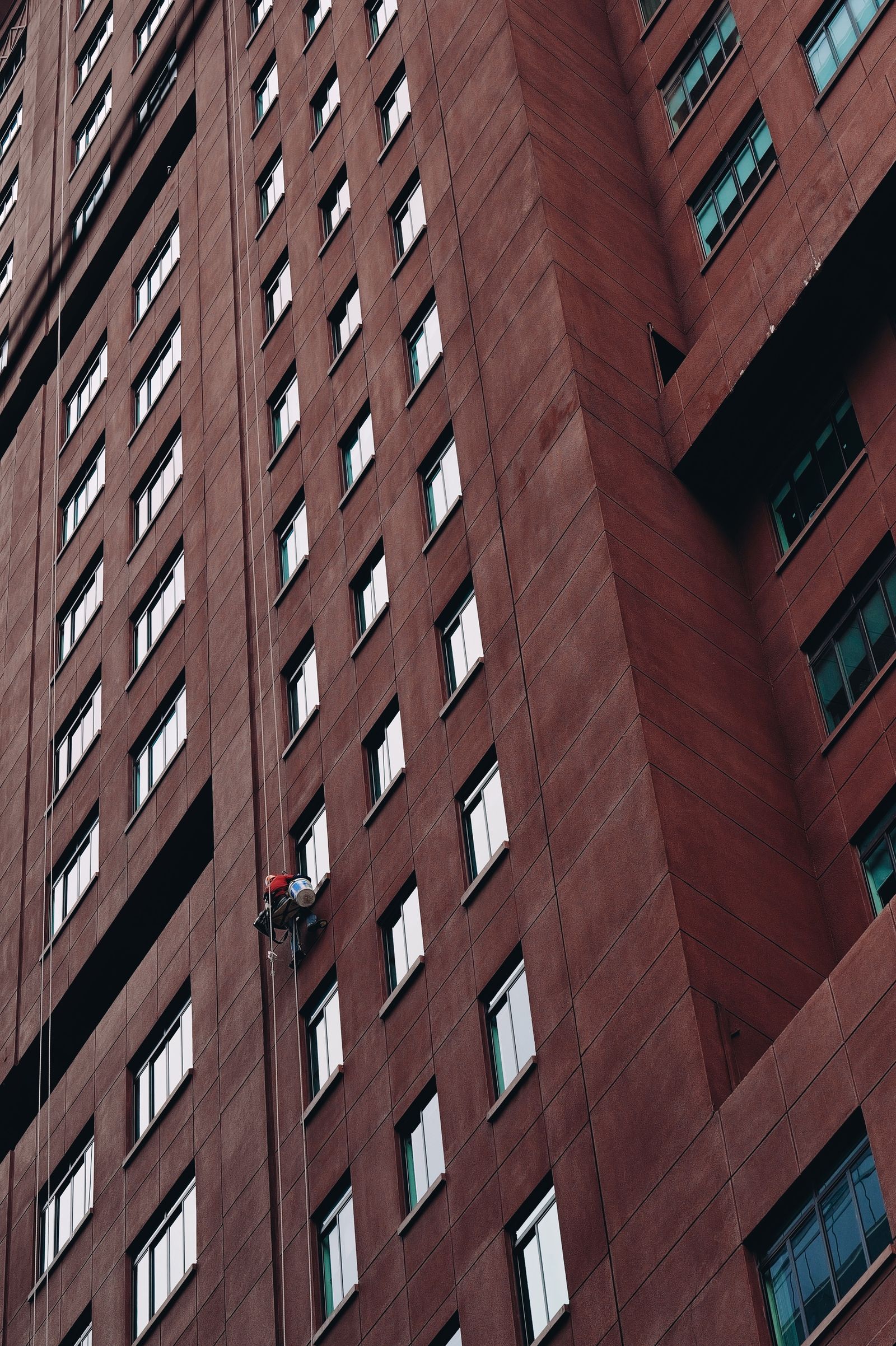
The right cleaning method and the right access method are separate decisions. A ground crew may soft wash a lower stucco wall, use a water-fed pole on selected glass, hand-detail a canopy, and use a lift for a protected architectural feature. Drone-assisted application or rinsing may support a broad upper elevation when there is safe stand-off distance, line of sight, a launch area, manageable wind, and a controlled ground zone. It cannot provide a true squeegee finish or guarantee the removal of bonded deposits from every window. A lift may provide direct contact but add staging, traffic, surface-load, and repositioning considerations.
Tucson planning should account for utilities, palms, roof equipment, balconies, narrow streets, airport-related airspace, campus events, hospital movement, and nearby tenants. FAA compliance and any needed authorization apply to commercial drone operations. Heat, dust, wind, lightning, monsoon rain, and visibility can change the safe access decision after the project is quoted. Ask the contractor to identify the proposed tool by elevation, the ground controls, the weather pause triggers, and the fallback method. That is more useful than a promise that one piece of equipment can clean the entire building.
Build water and weather into the Tucson comparison
A method comparison that ignores water is incomplete. Tucson properties may drain toward curb inlets, washes, retention basins, landscaped beds, parking structures, or neighboring parcels. The amount of rinse water, soil load, product, slope, and discharge path should be considered before work begins. A storm drain is not automatic authorization for wash water. Depending on the site and applicable requirements, the plan may use diversion, collection, recovery, filtration, reduced rinse volume, plant protection, disposal, or coordination with the responsible authority. A professional quote should state the assumptions and the response if observed flow differs from the initial review.
Weather changes both methods. Direct heat can shorten dwell time and create uneven drying; wind can move spray and dust; monsoon storms can change drainage, visibility, and ground conditions; and lightning requires a pause. If a building is open to patients, guests, students, tenants, or customers, the work zone should also account for hot surfaces, wet walking paths, shade, hose crossings, and emergency access. The best method is the one that achieves the planned result while the property can remain controlled and usable.
Use a Tucson-specific bid checklist before choosing
Ask each bidder to describe the material and soil assumptions, proposed method by elevation, test-area process, chemistry and pressure controls, access equipment, weather limits, water source, drainage approach, landscaping and equipment protection, public controls, work hours, closeout photos, and exclusions. A useful proposal should distinguish routine washing from glass polishing, mineral treatment, oxidation, paint or coating work, post-construction residue, graffiti, masonry repair, and envelope investigation. It should also explain whether drone assistance is proposed, what conditions make it feasible, and what alternative will be used if wind, airspace, or ground control changes.
For Tucson offices, hotels, healthcare, university, industrial, and retail properties, send the address, photographs, approximate height, materials, priority elevations, visible concerns, water access, drain locations, preferred dates, and operating restrictions. Include University of Arizona events, hospital drop-off periods, hotel arrivals, convention dates, loading schedules, outdoor seating, and monsoon concerns when relevant. Compare the proposed finish and site controls, not just the lowest number. A quote that clearly says what will remain outside scope can be more useful than a cheap promise that quietly assumes perfect conditions.
If you are ready to compare options, call +1 239-351-2897, email contact@dronebuildingcleaners.com, or submit the quote form with the Tucson property details. Drone Building Cleaners can help identify whether soft washing, controlled pressure, contact detail, drone assistance, a lift, or a hybrid plan best matches the building. We will connect the recommendation to the visible result, access conditions, water path, and operating needs before scheduling work.